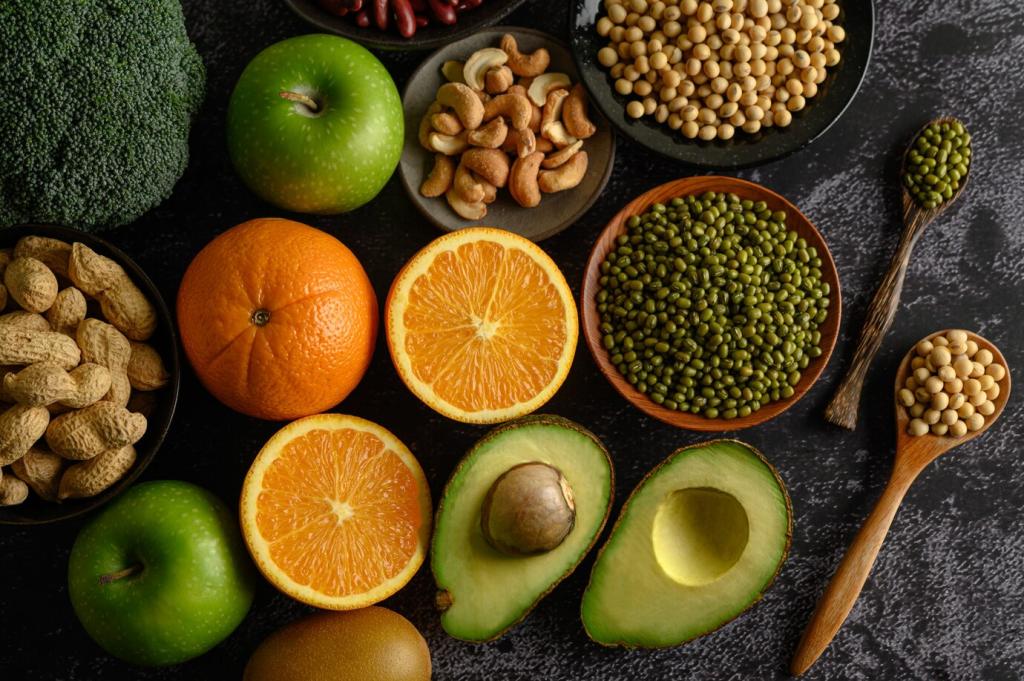
Chosen theme: Mindful Eating Practices. Slow down, savor every bite, and reconnect food with feeling. This home page invites you to taste with attention, discover meaningful rituals, and join a community exploring calm, curiosity, and compassion at the table.
Have you ever finished lunch and barely remembered tasting it? I once ate a sandwich while answering emails, then felt strangely unsatisfied. The next day, I paused, noticed the rosemary in the bread, and felt full sooner, contented, and genuinely energized.
It often takes about twenty minutes for fullness signals to register. Slower chewing, brief pauses, and attentive tasting help those signals speak up. Studies suggest slower eating supports better satisfaction and fewer impulsive second helpings. Try a mellow playlist to naturally pace your bites.
How does food taste when you give it ten undistracted bites? Tell us in the comments, and subscribe to receive mindful micro-experiments that fit real life. Your story could inspire someone’s first calm, delicious, fully present meal today.
Foundations: Hunger, Fullness, and Cues
Before you eat, pause and name the sensation: hollow belly, lightheadedness, or simply habit? Rate hunger from one to ten. Noticing texture, aroma, and mood together helps you choose foods that satisfy both body and emotion, rather than chasing quick, forgettable bites.
Foundations: Hunger, Fullness, and Cues
Aim for pleasantly satisfied rather than uncomfortably full. Consider stopping around a seven on your internal scale, then check back ten minutes later. I once boxed half my pasta, added a salad, and felt balanced, awake, and grateful for tomorrow’s lunch waiting in the fridge.
The Raisin Exercise, Reimagined
Hold the food up to light. Notice color swirls, tiny wrinkles, and matte or glossy surfaces. Let your eyes linger for thirty seconds. Curiosity resets rushed habits, turning a quick nibble into a sensory adventure that naturally slows the pace of your meal.
The Raisin Exercise, Reimagined
Bring it near your nose and inhale gently. Scents often spark memories, like a grandmother’s kitchen or a picnic at dusk. Stay with the fragrance and breathing for a few calm seconds. Anticipation can sweeten satisfaction without needing more food on the plate.
Mindful Cooking as Practice
Wash vegetables with warm water and notice the scent of earth and greens. Hear the steady tap of your knife. Keep shoulders relaxed, jaw unclenched, breaths smooth. When prep becomes ritual, dinner shifts from task to tender act of self-kindness and care.
Label the feeling: stress, boredom, celebration, or loneliness. Naming reduces intensity and opens space to choose. Sometimes a snack is right; sometimes a stretch, nap, or call helps more. Mindfulness transforms automatic munching into caring, conscious decisions that respect your needs.
Urge Surfing in Three Waves
Ride the urge like a wave: breathe for one minute, notice peak, then watch it soften. Offer a gentle alternative: water, tea, short walk, or smaller mindful portion. This practice preserves autonomy, keeps pleasure, and builds confidence that you can navigate cravings kindly.
Compassionate Self-Talk
Replace all-or-nothing scripts with supportive ones. Try: You are learning; one mindful choice matters. Cravings are human, not failures. Write a compassionate phrase on a sticky note, and share your favorite line with readers so someone else feels supported tonight.
Mindful Eating in Busy Real Life
Place both feet on the floor, relax your shoulders, and breathe slowly. Look at your food, notice colors and aromas, and set a simple intention: savor this meal. Even two minutes shifts digestion and mood, making each bite kinder to body and mind.
Eating in a car or at a desk happens. Pause for three breaths before the first bite, and put the food down between bites. Even fast food tastes better with attention. Share your best quick, mindful tweak for commutes, airports, or cafeteria lines.
Invite kids into a tasting game: guess spices, textures, or colors with eyes closed. One device-free starter question keeps everyone present. When families chew slowly together, conversation deepens and portions naturally align with hunger, turning dinner into a daily practice of connection.
Tracking Progress Without Obsession
After a meal, jot quick notes: hunger level, flavors noticed, pace, and mood changes. Keep it friendly, not forensic. Over time you will spot patterns that guide wiser choices. If you like, share a favorite prompt with our readers to inspire reflection.
Tracking Progress Without Obsession
Choose a day to review: what felt mindful, what felt rushed, and one gentle experiment for next week. Habit grows from tiny, repeated actions. Subscribe for a short Sunday email with prompts that make reflection simple, kind, and genuinely motivating.